One of the most common questions homeowners ask is:
“Is my foundation settling normally, or is something wrong?”
The short answer is yes—some foundation settlement is completely normal.
In fact, nearly every home settles to some degree after it’s built. The important question isn’t whether your home has settled—it’s how much, how quickly, and whether the movement is continuing.
What Is Foundation Settlement?
Foundation settlement occurs when the soil beneath a home compresses or shifts, causing the foundation to move downward. This is a natural process that typically happens during the first few years after construction as the weight of the home gradually compresses the underlying soils.
In many cases, this initial settlement is expected and doesn’t indicate a structural problem.
However, when settlement becomes excessive or uneven, it can begin affecting the home’s structure, appearance, and long-term value.
How Much Settlement Is Considered Normal?
There isn’t a single measurement that applies to every home because factors such as soil type, foundation design, construction methods, drainage, and the age of the home all play a role.
Generally speaking:
- Minor settlement that occurs gradually after construction is often expected.
- Uniform settlement, where the entire home settles evenly, is usually less concerning.
- Differential settlement—where one portion of the home settles more than another—is what typically causes structural problems.
It’s often the difference in elevation across the home, rather than the total amount of settlement, that creates issues.
Signs Your Settlement May Be More Than Normal
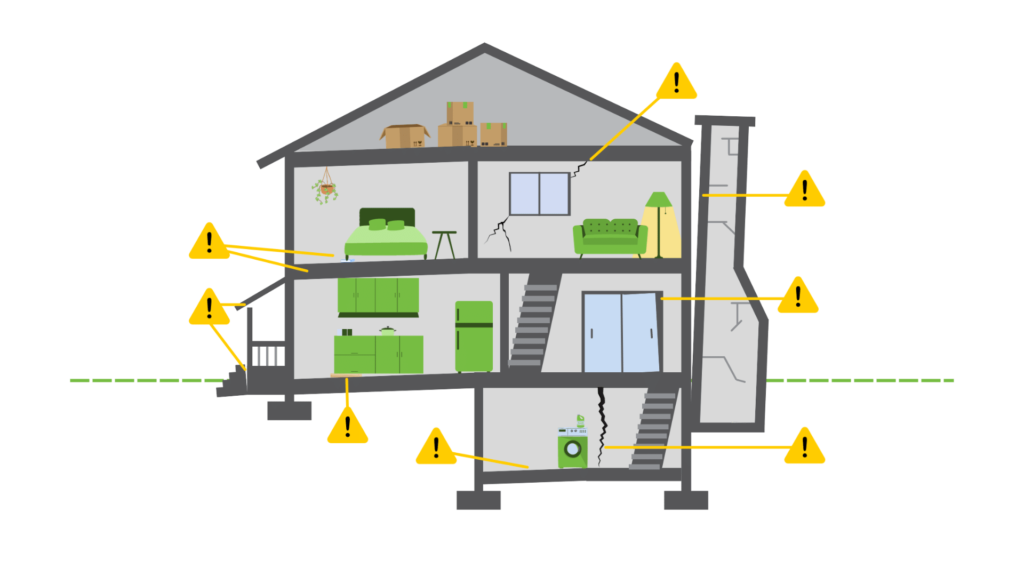
While some movement is expected, these symptoms may indicate that the settlement should be evaluated:
- Doors or windows that suddenly become difficult to open or close
- New cracks appearing in drywall
- Stair-step cracks in brick or block walls
- Large cracks in foundation walls
- Sloping or uneven floors
- Gaps between walls and ceilings
- Cabinets or countertops pulling away from walls
- Chimneys, porches, or patios separating from the house
- Concrete slabs, driveways, or sidewalks sinking
One isolated symptom doesn’t necessarily mean you have a serious foundation problem, but multiple symptoms occurring together often indicate ongoing movement.
Why Homes Settle in Metro Vancouver and the Fraser Valley
Homes throughout Metro Vancouver, the Fraser Valley, and Vancouver Island experience settlement for a variety of reasons.
Common causes include:
- Soft or compressible soils
- Clay soils that expand and shrink with changing moisture levels
- Poor soil compaction during construction
- Heavy seasonal rainfall
- Erosion beneath foundations
- Drainage issues
- Changes to groundwater levels
- Organic soils gradually decomposing beneath the structure
Certain communities, including Richmond, Delta, Langley, Surrey, Abbotsford, and parts of Vancouver Island, are particularly susceptible due to local soil conditions.
Does Settlement Ever Stop?
Sometimes.
Many homes experience a period of initial settlement that eventually stabilizes.
Other homes continue moving because the underlying cause hasn’t been addressed. Ongoing soil movement, drainage problems, or weak bearing soils can allow settlement to continue slowly over many years.
That’s why it’s important to determine whether the movement is historic or active.
Should You Worry About Small Foundation Cracks?
Not necessarily.
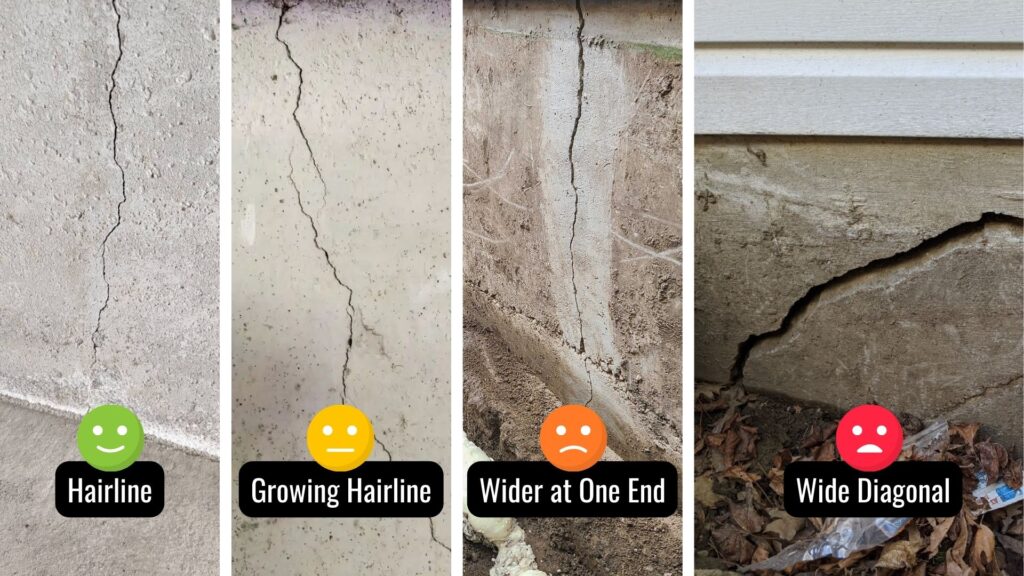
Hairline cracks can occur as concrete cures and as a home experiences minor seasonal movement.
However, cracks should be monitored if they are:
- Growing longer or wider
- Appearing in multiple locations
- Accompanied by sticking doors or sloping floors
- Allowing water into the basement or crawlspace
- Diagonal or stair-step shaped
- Wider than a few millimetres
A crack is often a symptom—not the root problem.
Can You Ignore Foundation Settlement?
Waiting can sometimes turn a relatively straightforward repair into a much larger project.
As settlement progresses, homeowners may begin experiencing:
- More extensive drywall damage
- Plumbing issues
- Roofline movement
- Increased water intrusion
- Larger structural repairs
- Reduced property value
- Higher repair costs
Addressing the underlying cause early is often less disruptive than waiting until additional damage develops.
The Most Important Question Isn’t “How Much?”
Many homeowners focus on measuring the amount their home has settled.
A more important question is:
“Why is it settling?”
Understanding the underlying cause allows homeowners to make informed decisions instead of simply treating visible symptoms.
Depending on the situation, the solution may involve improving drainage, stabilizing the supporting soils, lifting settled concrete, or installing foundation support systems such as helical piles or push piers.
Every home is different, which is why a proper assessment is essential.
When Should You Have Your Foundation Evaluated?
Consider having your home assessed if you notice:
- New or worsening cracks
- Floors that appear uneven
- Doors or windows that no longer operate properly
- Water entering your basement or crawlspace
- Visible separation between parts of the structure
- Concrete around the home that is sinking
An evaluation can help determine whether the movement is simply normal settlement or a sign of an active structural issue.
Foundation settlement is a normal part of the life of many homes—but significant or ongoing settlement is not something to ignore.
The goal isn’t to eliminate every tiny crack or every millimetre of movement. The goal is to determine whether your home has stabilized or whether an underlying issue continues to affect the structure.
Understanding the difference can help protect your home’s safety, value, and long-term performance.
If you’re unsure whether the movement you’re seeing is normal, having your foundation professionally assessed can provide clarity and peace of mind before small issues become larger ones.
Types of Foundation Cracks & Severity
I have foundation cracks: What to do next
I have something like this:
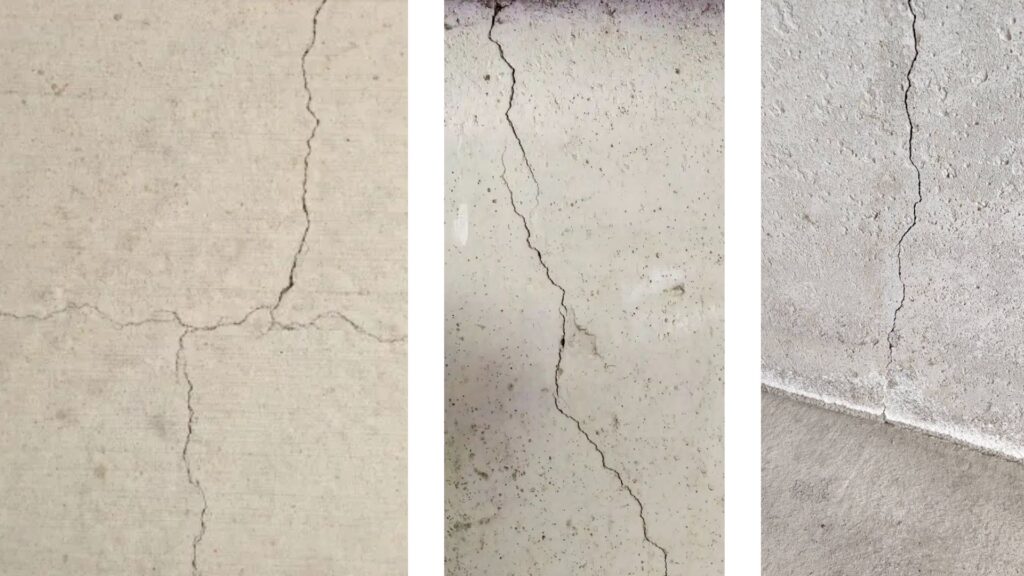
If you have hairline cracks, just keep an eye on them over time. Monitor if they are growing or expanding. If they are growing, they might be indicating structural damage occurring.
I have something like this:
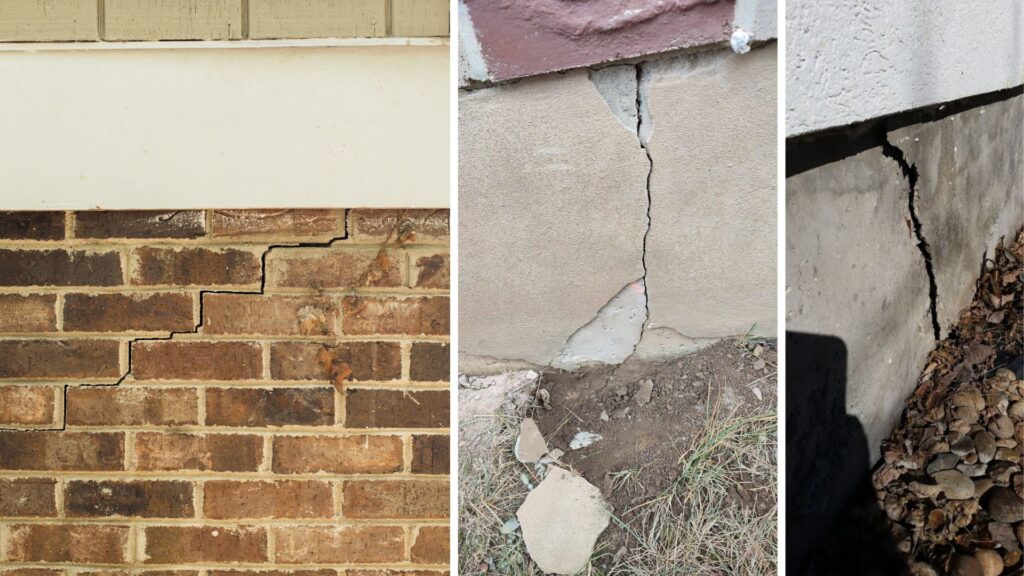
If you have large cracks, or cracks that are:
- Wider than ¼ inch
- Wider at one end
- Cracks that are getting bigger over time
- Diagonal cracks in walls or foundation
- Cracks that go across the ceiling, down a wall
The next best thing to do is to get a professional opinion. You could either call an engineer for an inspection. Or you could get in touch with our team of specialists for a free assessment and quote.
How are foundation cracks repaired?
Foundation issues – including large cracks are repaired through underpinning methods using galvanized steel piering systems such as push piers, helical piers, and pier pads. Find out more about our foundation repair process here.
More indicators of settlement: