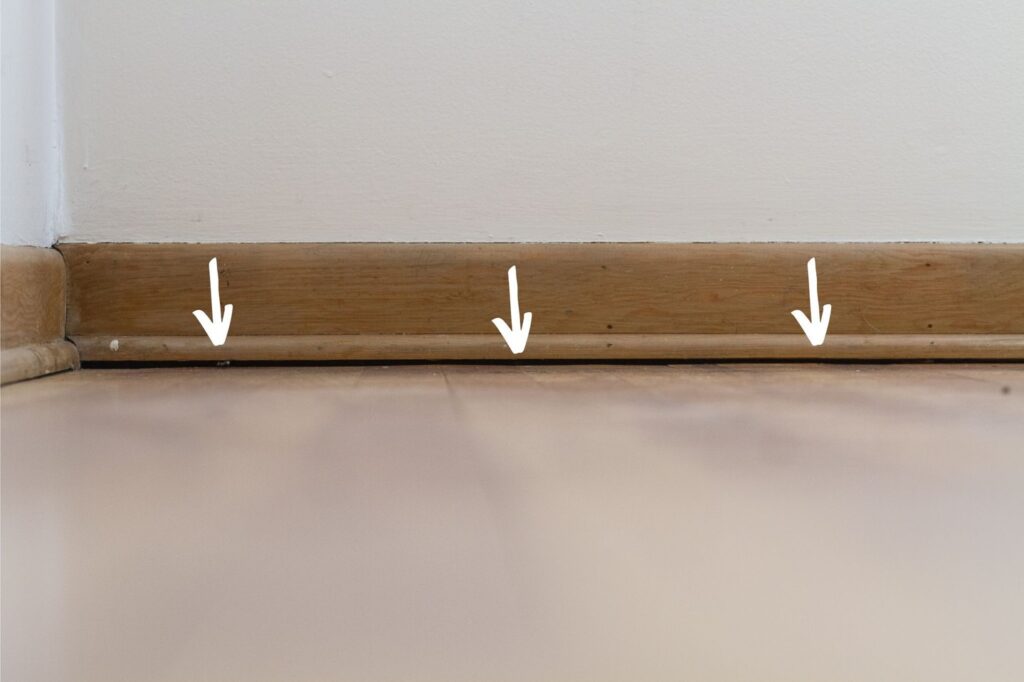
A sagging second floor is usually a sign of an underlying structural problem rather than a flooring issue. Common causes include foundation settlement, poorly compacted soil, moisture damage, deteriorating floor joists or support beams, and seasonal soil movement. Warning signs often include sloping or uneven floors, sticking doors and windows, drywall cracks, gaps between the floor and walls, and bouncy or squeaky floors.
The best way to fix a sagging second floor is to identify the root cause through a professional inspection. Depending on the findings, repairs may involve reinforcing the floor structure or permanently stabilizing the home’s foundation to prevent further movement.A second floor that feels uneven can be unsettling. Maybe one bedroom slopes toward the hallway, a door suddenly won’t close properly, or you’ve noticed cracks appearing around the windows.
The good news? The sooner the cause is identified, the easier—and often less expensive—it is to correct.
What Are the Signs of a Sagging Second Floor?
Most homeowners don’t wake up one morning to find a dramatically sloped floor. It usually happens gradually over several years, making it difficult to notice until other problems begin appearing throughout the home.
Here are the most common warning signs.
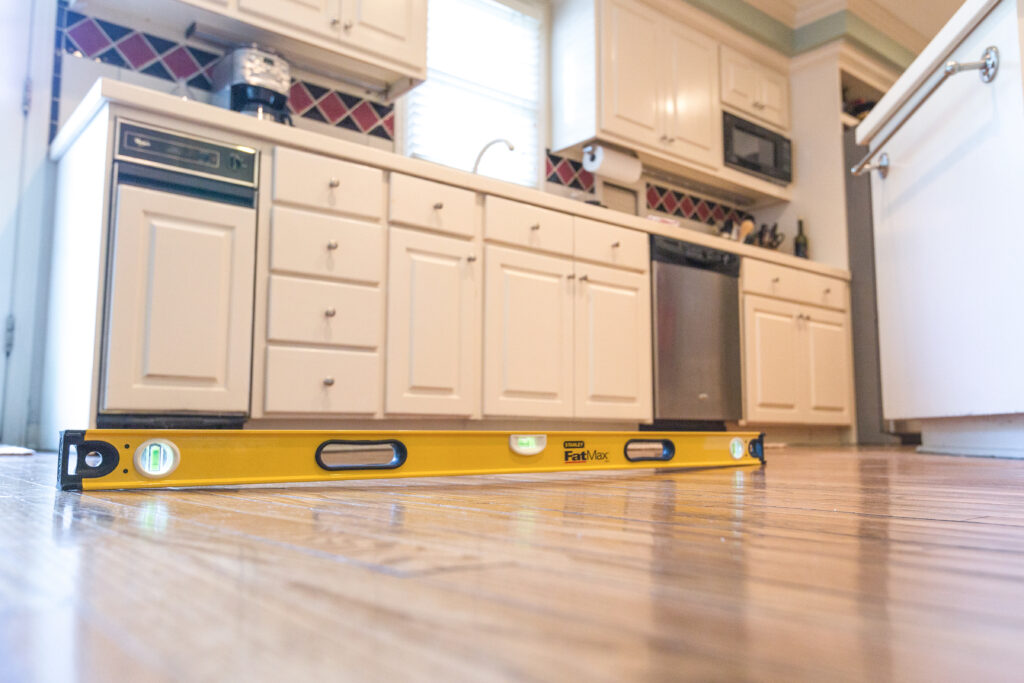
Doors and Windows That Suddenly Stick
If doors that once opened easily now rub against the frame—or won’t latch properly—it may be because your home’s structure has shifted.
The same goes for windows that become difficult to open or no longer lock correctly.
While humidity can sometimes cause seasonal swelling, persistent sticking throughout the year is worth investigating.
Cracks in Drywall
Small drywall cracks aren’t unusual, but cracks that continue to grow or repeatedly return often indicate movement within the structure.
Pay particular attention to:
- Interior corners
- Above windows
- Around door frames
- Ceiling-to-wall joints
These are common places where structural movement first becomes visible.
Gaps Between the Floor and Wall
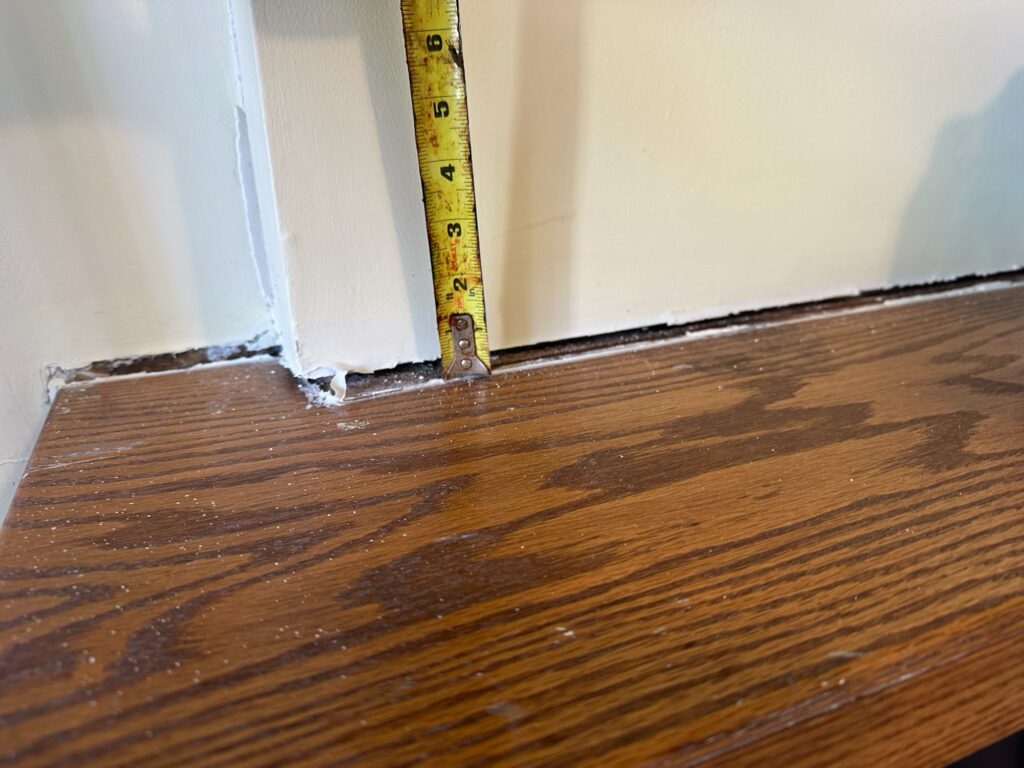
If your baseboards appear to be separating from the floor, or you notice visible gaps developing where the flooring meets the wall, it can indicate that the floor framing has shifted or settled.
This movement often occurs gradually and may become more noticeable over time.
Bouncy or Squeaky Floors
Floors should feel solid underfoot.
If an upstairs floor has become noticeably springy, bouncy, or increasingly squeaky, it may indicate that floor joists, beams, or structural supports are no longer carrying weight as intended.
While squeaks alone don’t necessarily indicate a serious problem, combining them with sloping floors or drywall cracks deserves further investigation.
What Causes a Second Floor to Sag?
Many homeowners assume the problem is simply old wood.
In reality, several different structural issues can create uneven second floors.
Foundation Settlement
One of the most common causes is foundation settlement.
When the soil beneath a home moves or compresses, portions of the foundation settle unevenly. That movement transfers upward through the structure, eventually causing floors on the second level to slope or sag.
Although the problem appears upstairs, the cause often begins below the home.
Poorly Compacted Soil
Many homes are built on engineered fill.
If that soil wasn’t compacted properly during construction—or if it compresses over time—the foundation loses support.
As the foundation settles unevenly, the framing above begins to move with it.
Moisture Around the Foundation
Water is one of a home’s biggest enemies.
Poor drainage, leaking gutters, overflowing downspouts, or water collecting beside the foundation can soften the surrounding soil and reduce its ability to support the home’s weight.
Over time, this can lead to settlement and structural movement.
Expansive Clay Soil
Much of Greater Vancouver and Vancouver Island contains clay-rich soils.
Clay behaves much like a sponge:
- It expands when wet.
- It shrinks as it dries.
This constant cycle places stress on foundations year after year.
Eventually, portions of the foundation may move, leading to uneven floors, cracks, and structural shifting.
Damaged Structural Supports
Not every sagging floor is caused by foundation settlement.
In some homes, the problem may involve:
- Damaged floor joists
- Deteriorating support beams
- Rot caused by moisture
- Termite or pest damage
- Previous renovations that altered load-bearing walls
A professional inspection can determine whether the issue is isolated to the framing or originates with the foundation.
Can a Sagging Second Floor Get Worse?
Yes.
Structural movement rarely corrects itself.
In many cases, homeowners first notice a small slope, then months or years later discover:
- Larger drywall cracks
- Doors that no longer close
- More noticeable floor movement
- Windows becoming difficult to operate
- Additional settlement throughout the home
Addressing the cause early often prevents more extensive—and more expensive—repairs later.
How Are Sagging Second Floors Repaired?
The correct repair depends entirely on what’s causing the movement.
If the issue is damaged framing, repairs may involve replacing structural members or reinforcing floor supports.
If the cause is foundation settlement, stabilizing the foundation is typically the permanent solution.
At True Level Concrete, every foundation assessment begins with identifying why the home has moved—not simply where the symptoms appear.
Our experienced team evaluates the home’s foundation, soil conditions, and structural movement before recommending the most appropriate repair solution.
Because every home is different, there is no one-size-fits-all approach.
Benefits of Repairing Foundation Settlement Early
Correcting foundation movement can help:
- Restore structural stability
- Prevent additional settlement
- Reduce further cracking throughout the home
- Improve door and window operation
- Protect your home’s long-term value
- Avoid more extensive structural repairs later
Most importantly, repairing the underlying cause provides peace of mind that the problem has been properly addressed rather than temporarily hidden.
When Should You Have Your Home Inspected?
If you’ve noticed sloping floors, drywall cracks, sticking doors, or other signs of structural movement, it’s worth having your home evaluated sooner rather than later.
Many homeowners assume these changes are simply part of an aging home. Sometimes they are—but sometimes they’re early warning signs of foundation settlement.
An inspection can identify whether the movement is cosmetic, structural, or foundation-related, allowing you to make informed decisions before the problem progresses.
At True Level Concrete, we provide free foundation assessments throughout Greater Vancouver and Vancouver Island, helping homeowners understand exactly what’s happening beneath their homes and the best options for permanent repair.