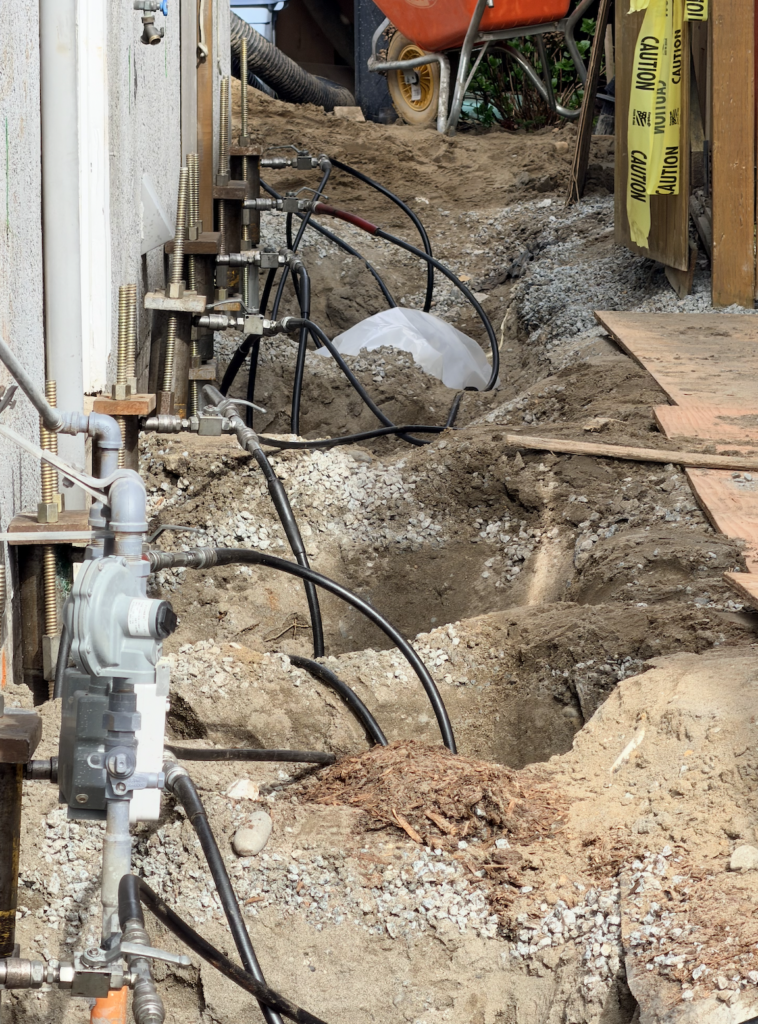
Foundation repair is often one of the most significant home maintenance expenses you will face. Unfortunately, the industry sees its share of high-pressure sales tactics pushing unnecessary work. These tips are designed to help you verify credentials, interpret estimates, and identify red flags before committing to any project. Choosing the right contractor is essential to avoid failed piers, voided warranties, or structural issues that worsen over time. By understanding what a legitimate, professional repair process entails, you take control of your home’s structural health.
Reputable contractors follow a clear standard: they provide transparent, written estimates, explain the repair scope clearly, and offer warranties that provide genuine long-term protection. This guide walks you through the process, from the initial inspection to evaluating warranty terms.What a Legitimate On-Site Inspection Should Include
A professional contractor performs a thorough, methodical physical walkthrough rather than a cursory visual scan. This inspection should include:
- Crack Analysis: Identifying and categorizing crack patterns (e.g., horizontal cracks often suggest bowing walls, stair-step cracks can indicate differential settling).
- Functional Testing: Checking the operation of doors and windows, which often stick when foundations shift.
- Measurement: Using an actual level to check floor slopes and identifying areas of concern.
- Moisture and Drainage Assessment: Checking concrete/slab moisture levels and assessing the grading and drainage within the area surrounding the foundation.
Once the inspection is complete, you should receive a written scope document—never just a verbal promise. This document must include specific measurements, location maps of cracks, severity ratings, and a recommended repair method backed by engineering logic. A reputable contractor will distinguish between cosmetic and structural issues, advising you honestly on whether immediate intervention or simply monitoring the situation is appropriate.Credentials to Verify in British Columbia
While foundation repair standards are rigorous, requirements vary. In British Columbia, it is essential to verify that your contractor is properly registered.
- Business Registration: Ensure the company is registered to do business in British Columbia.
- WorkSafeBC Coverage: Always ask for proof of active WorkSafeBC coverage to protect yourself from liability in the event of an on-site injury.
- Liability Insurance: Request a Certificate of Insurance dated within the last 30 days, showing a minimum of $1 million to $2 million in general liability coverage.
- Permits: Building permits are mandatory for structural repairs, such as piering, anchoring, or major lifts. A contractor who suggests skipping the permit process is a major liability; permits ensure that the work meets the British Columbia Building Code standards and typically involve a municipal inspector who confirms the work was done safely.
Red Flags: When to Walk Away
- Vague Proposals: Be wary of lump-sum proposals that lack detail, such as specific pier counts or brand specifications.
- Ignoring the Root Cause: A repair that only addresses the symptom (e.g., a crack) without fixing the root cause (e.g., poor drainage, a broken sewer line, or grading issues) will inevitably fail.
- Unbranded Materials: Reputable contractors use nationally recognized, engineered products. If they cannot name the manufacturer or provide installation specifications, they may be cutting corners.
Essential Questions for Contractors
Before signing, ask these critical questions to gauge competence:
- “What is the engineering basis for the number and placement of the piers?”
- “What is the plan if settlement continues after the installation?”
- “Will your company handle the permit application process with the municipality?”
- “How long has the company been operating under its current name?”
- “Can you provide three local references from the past 12 months?”
Comparing Estimates
Detailed written estimates are the only way to compare apples to apples. A professional estimate must include:
- A line-item breakdown of repair methods.
- Materials specified by brand and model.
- The exact number of piers or scope of coverage.
- Confirmation that permits and associated fees are included.
- A clear, projected timeline for completion.
If one bid is significantly lower than others, it often signals that the contractor is skipping permits, using inferior materials, or failing to address the underlying structural problem.Understanding Warranties
Warranties generally fall into three categories:
- Workmanship: Covers installation errors (typically 1–5 years).
- Materials: Covers defects in the products themselves (5-10 years).
- Structural/System: Covers the ongoing stability of the repaired area. This is the most critical component.
Look for a transferable lifetime warranty. A warranty that stays with the home rather than the homeowner is a significant asset when it comes time to sell your property. Before signing, always request a copy of the full warranty document, including the “Exclusions” list. Common exclusions include acts of nature, future drainage failures, or modifications (like adding a heavy structure or pool) near the repair zone.
True Level Concrete stands by our work by including a transferable lifetime warranty as standard on all foundation repairs, ensuring peace of mind for you and the next owner of your home.
By demanding a detailed written scope, verifying insurance and permits, and reading the fine print of every warranty, you can confidently select a contractor who prioritizes the long-term safety and stability of your home.