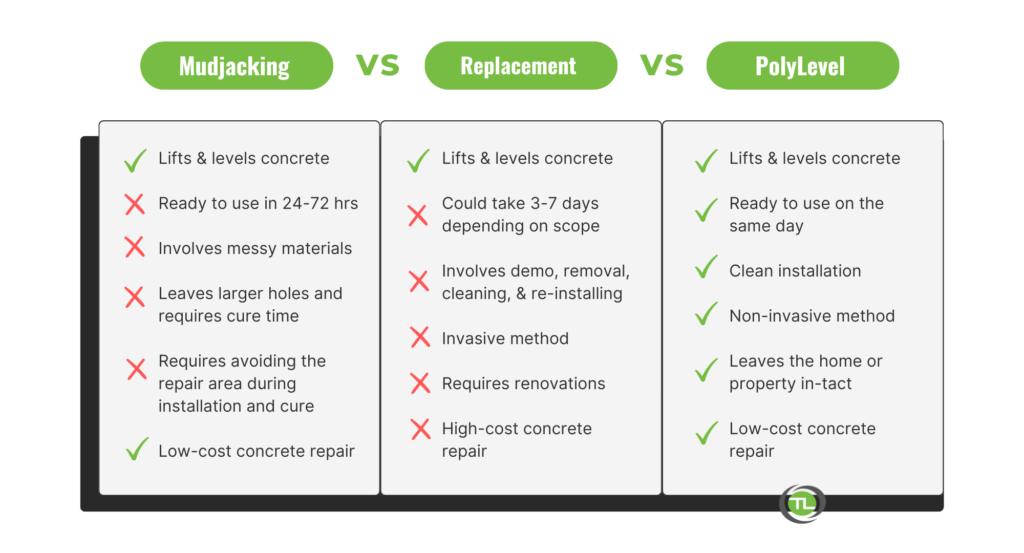
When you’re in search of concrete repair, mudjacking and pumpjacking are common methods contractors offer as a solution for uneven surfaces and sinking slabs. Let’s be real, when it comes to your home or commercial property, you don’t want to choose the first option. This is your investment, if there’s a better solution for you, you should know about it.
Advancements in the industry have brought PolyLevel foam, engineered specifically to improve efficiency and effectiveness for concrete repair solutions. Weighing the pros and cons of each repair method is the easiest way to decide what works best for you.
Mudjacking vs PolyLevel Foam: Pros and Cons of Concrete Lifting Methods
If your driveway, sidewalk, patio, or concrete steps have started to sink or become uneven, you may be researching concrete lifting solutions. In the Lower Mainland and Metro Vancouver, two of the most common repair methods are mudjacking and PolyLevel polyurethane foam injection.
Both methods lift sunken concrete without replacing the slab, but they work very differently. Understanding the pros and cons of mudjacking vs PolyLevel foam can help homeowners choose the best concrete repair solution for their property.
Pros and Cons of Mudjacking for Concrete Repair
Mudjacking (sometimes called slab jacking or pump jacking) is an older concrete lifting method that involves pumping a slurry mixture of water, soil, sand, or cement underneath a concrete slab to raise it back into position.
Pros of Mudjacking
Lower upfront cost
Mudjacking is often one of the least expensive concrete lifting methods, making it appealing for homeowners looking for a quick fix for sunken concrete.
Widely available contractors
Because mudjacking has been used for decades, many contractors across Metro Vancouver and the Fraser Valley offer this service.
Cons of Mudjacking
Shorter lifespan
Mudjacking can provide a temporary solution, but it may not last as long as newer technologies. The injected slurry can erode or wash away over time. In many cases, concrete settlement issues can return within 2–5 years.
More invasive repair process
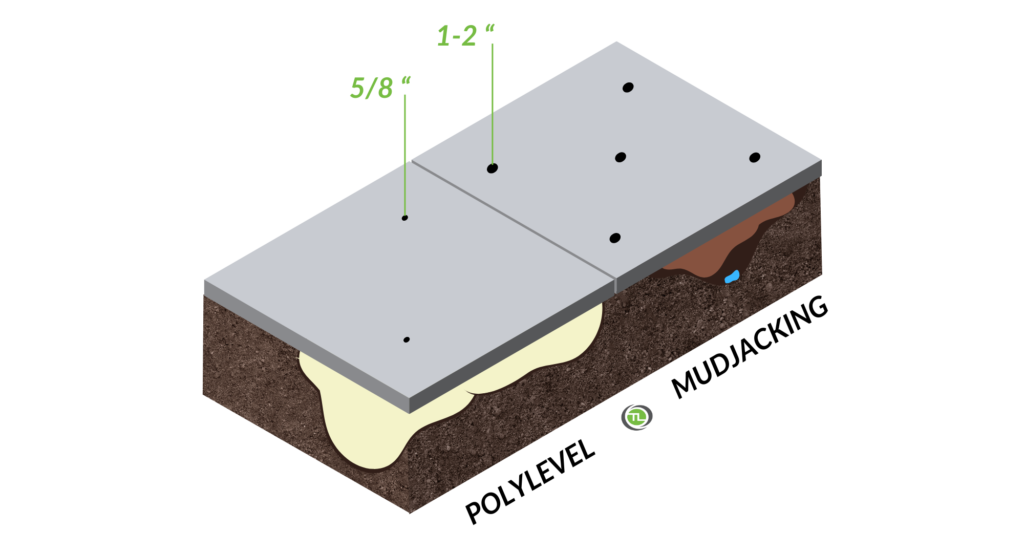
Mudjacking requires larger drill holes in the concrete slab. The process also involves heavy, messy materials, which can make cleanup more difficult and leave visible patch marks.
Longer curing time
Mudjacking repairs typically require 24–72 hours of curing time before the concrete can support normal use.
Pros and Cons of PolyLevel Foam for Concrete Repair
PolyLevel is a modern polyurethane foam injection system used to lift and stabilize sunken concrete. It is increasingly popular for driveways, patios, sidewalks, garage floors, and concrete steps throughout Metro Vancouver.
Pros of PolyLevel Foam
More affordable than concrete replacement
Concrete replacement can be expensive and disruptive. PolyLevel offers a cost-effective alternative that restores concrete without demolition.
Advanced repair technology
PolyLevel foam is engineered to expand, lift, and stabilize concrete quickly, making it a reliable solution for many types of sunken concrete.
Minimally invasive process
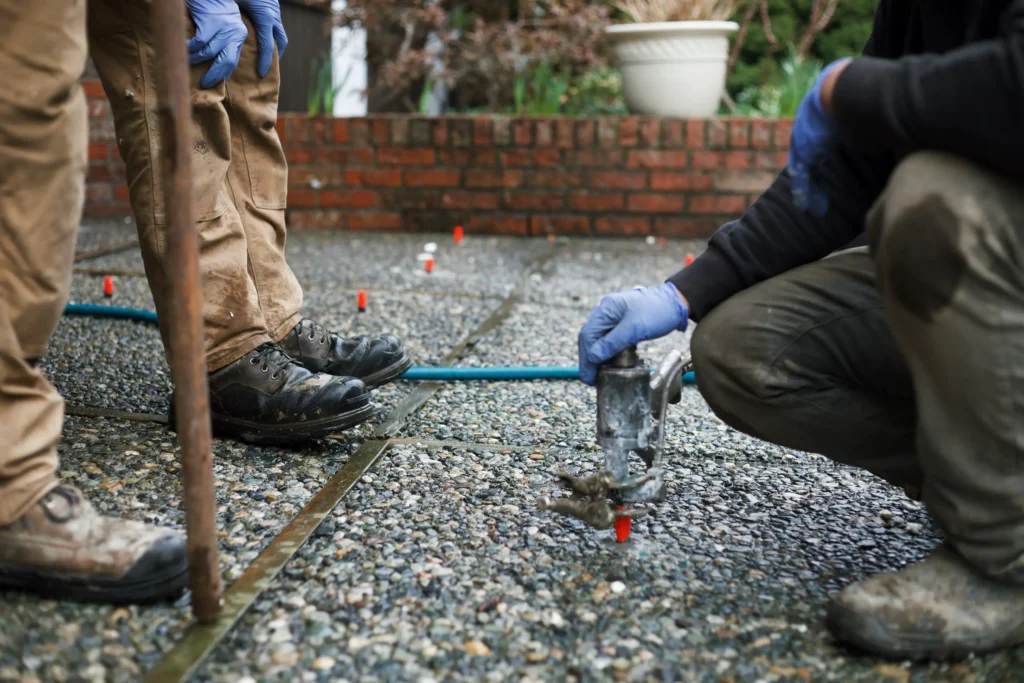
PolyLevel requires very small drill holes, and the process is quick and clean. Experienced technicians can patch the holes so they blend into the surrounding concrete.
Extremely fast cure time
PolyLevel foam cures in about 15 minutes, meaning you can walk, drive, or use the repaired concrete almost immediately.
Long-lasting performance
When installed properly, PolyLevel foam can last significantly longer than traditional mudjacking methods.
Cons of PolyLevel Foam
Does not stop future soil settlement
While PolyLevel lifts and stabilizes concrete slabs, it does not prevent future soil movement underneath the slab. If underlying soil conditions continue to change, additional stabilization solutions may be required.
Which Concrete Lifting Method Is Best?
For homeowners in Metro Vancouver, Vancouver Island Surrey, Langley, Burnaby, and the Fraser Valley, the right solution depends on several factors:
- The cause of the concrete settlement
- Soil conditions beneath the slab
- The age and condition of the concrete
- The desired lifespan of the repair
A professional inspection can determine whether mudjacking, PolyLevel foam, or another structural repair method is the best solution.
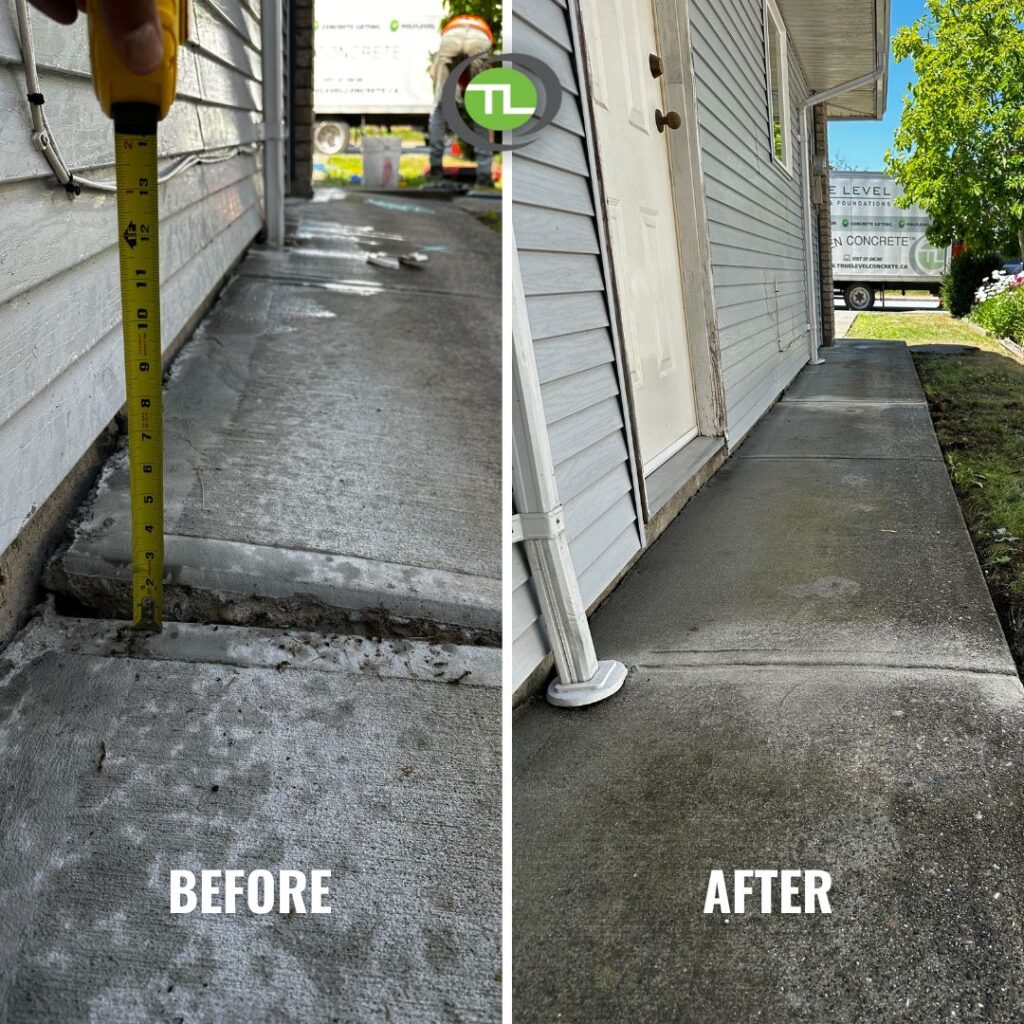
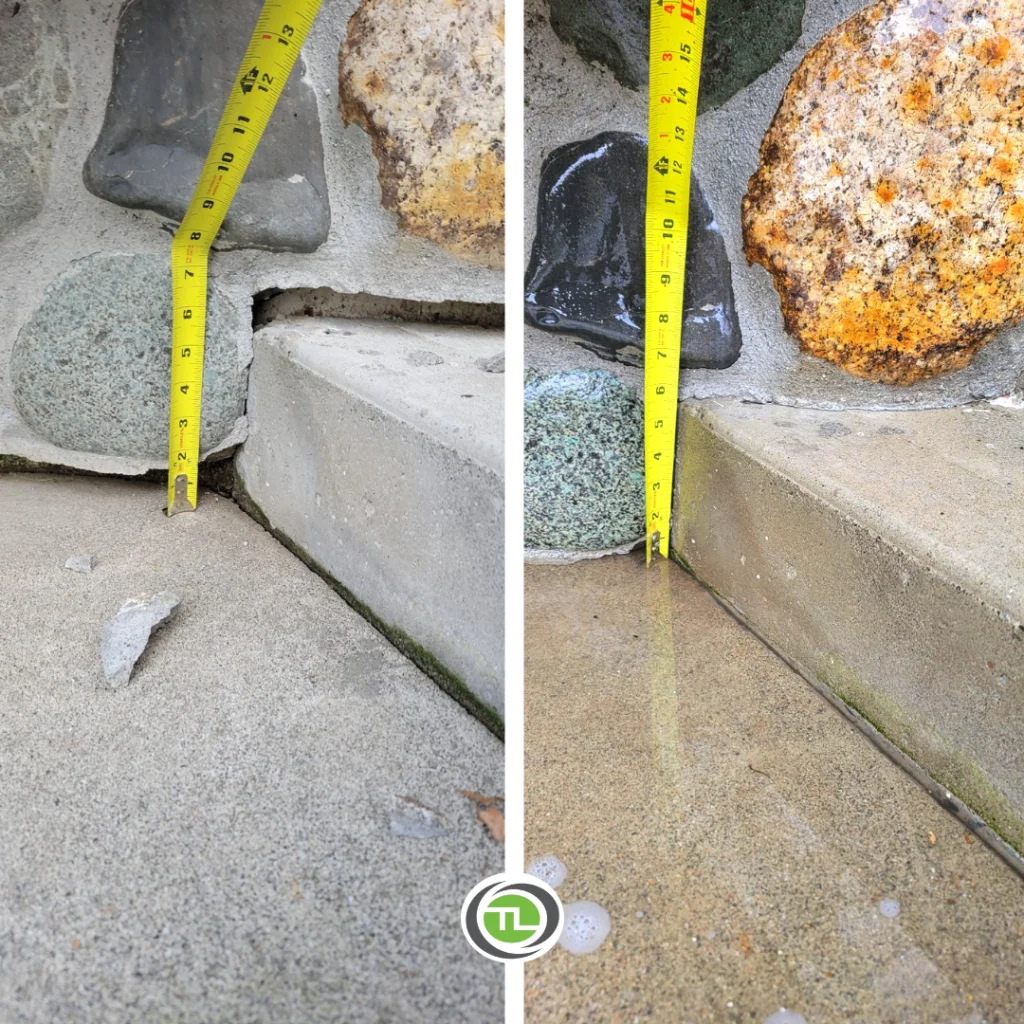
Before and After Concrete Repair using PolyLevel
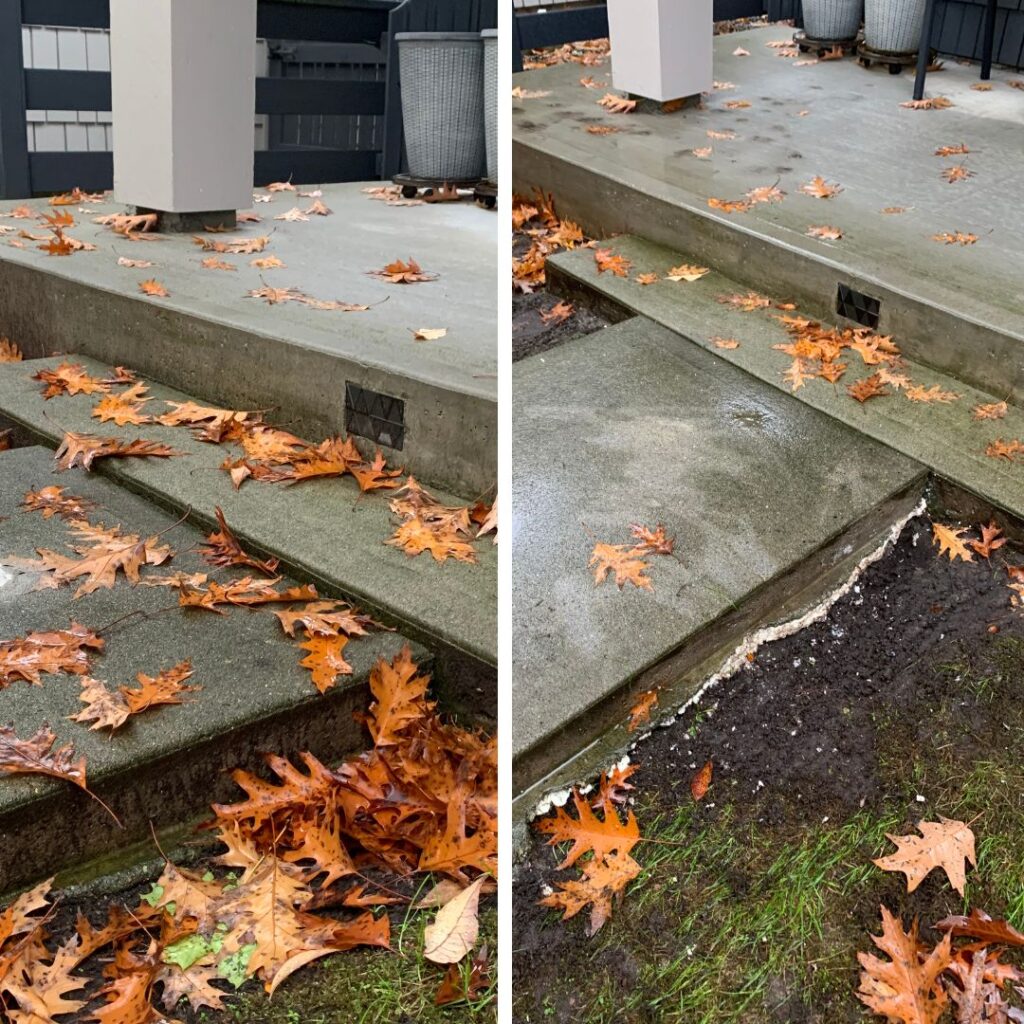
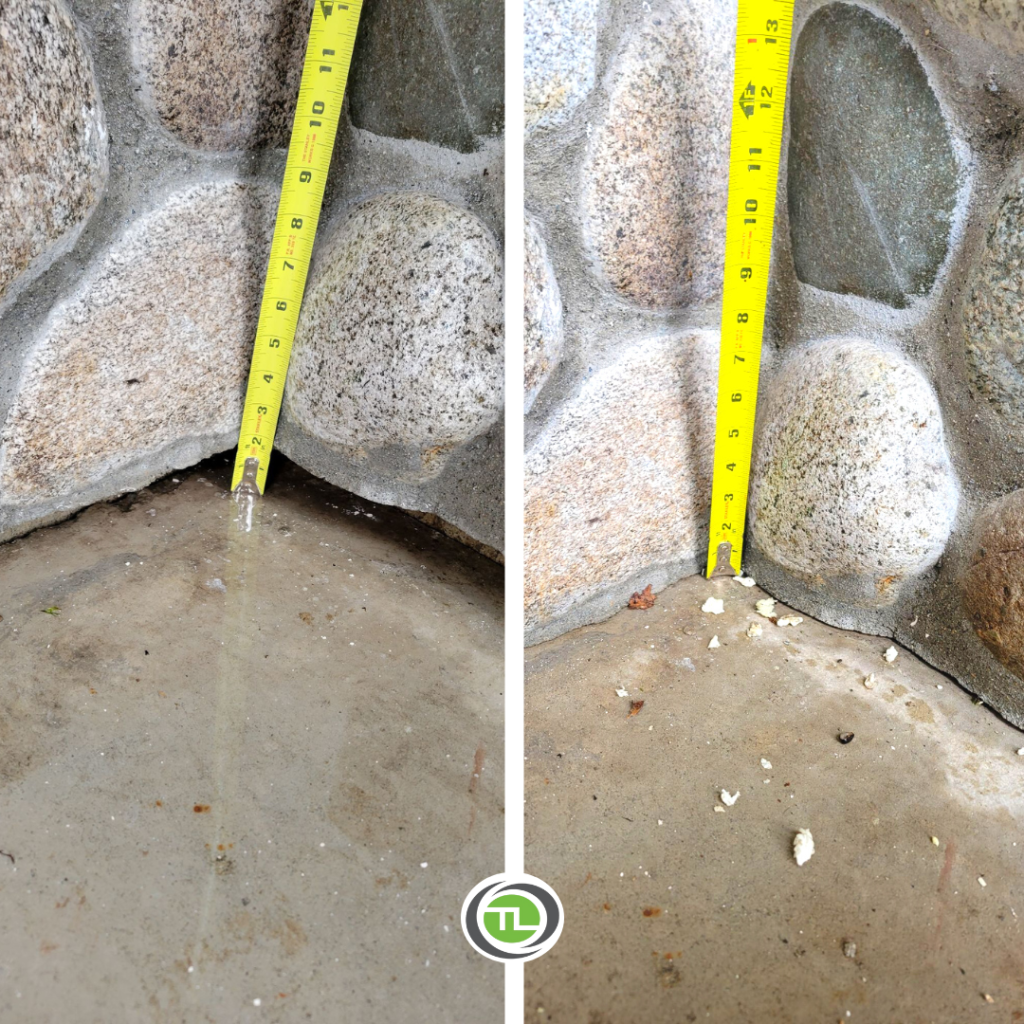
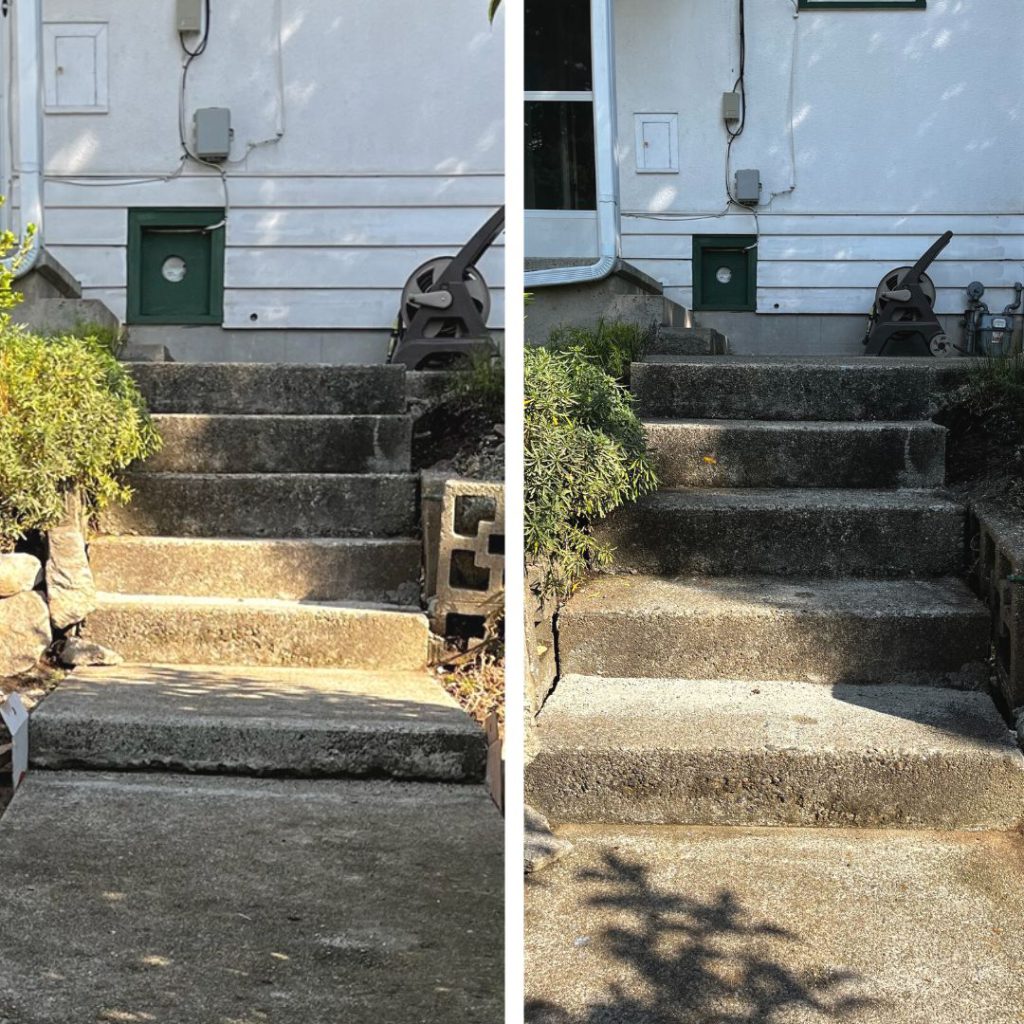
Benefits of PolyLevel foam vs mudjacking or replacing concrete
4 Benefits of Choosing PolyLevel Foam Over Mudjacking:
- Superior performance: PolyLevel foam is a hydrophobic polyurethane which offers waterproof strength and durability, effectively addressing the underlying causes of concrete settlement.
- Non-invasive, faster results: With PolyLevel foam, homeowners can enjoy rapid turnaround times, minimizing downtime and inconvenience. This method also allows you to be active on site, so, if this is your home or workplace, you don’t have to worry about shutting down.
- Cost-Effective: While mudjacking may seem like a more affordable option upfront, the long-term costs of maintenance and repairs can quickly add up. PolyLevel foam provides a cost-effective solution with lasting results, ultimately saving homeowners time and money.
- Peace of mind: Eco-friendly solution with a 5 year product warranty and guarantee.
FREE Project Estimates
Mudjacking may have been a conventional repair method in the past, but the industry has made several leaps since then. We use PolyLevel, because it gives homeowners peace of mind knowing they found a solution that checks all the boxes.
If you’re interested in using PolyLevel for your concrete repairs, we offer FREE project estimates.